









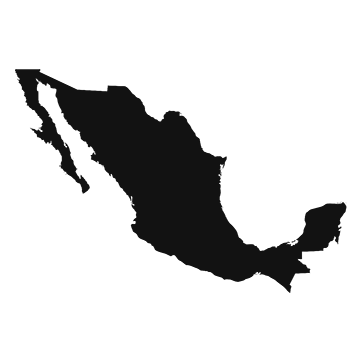
Zultepec-Tecoaque
Archeological site
Zultepec-Tecoaque
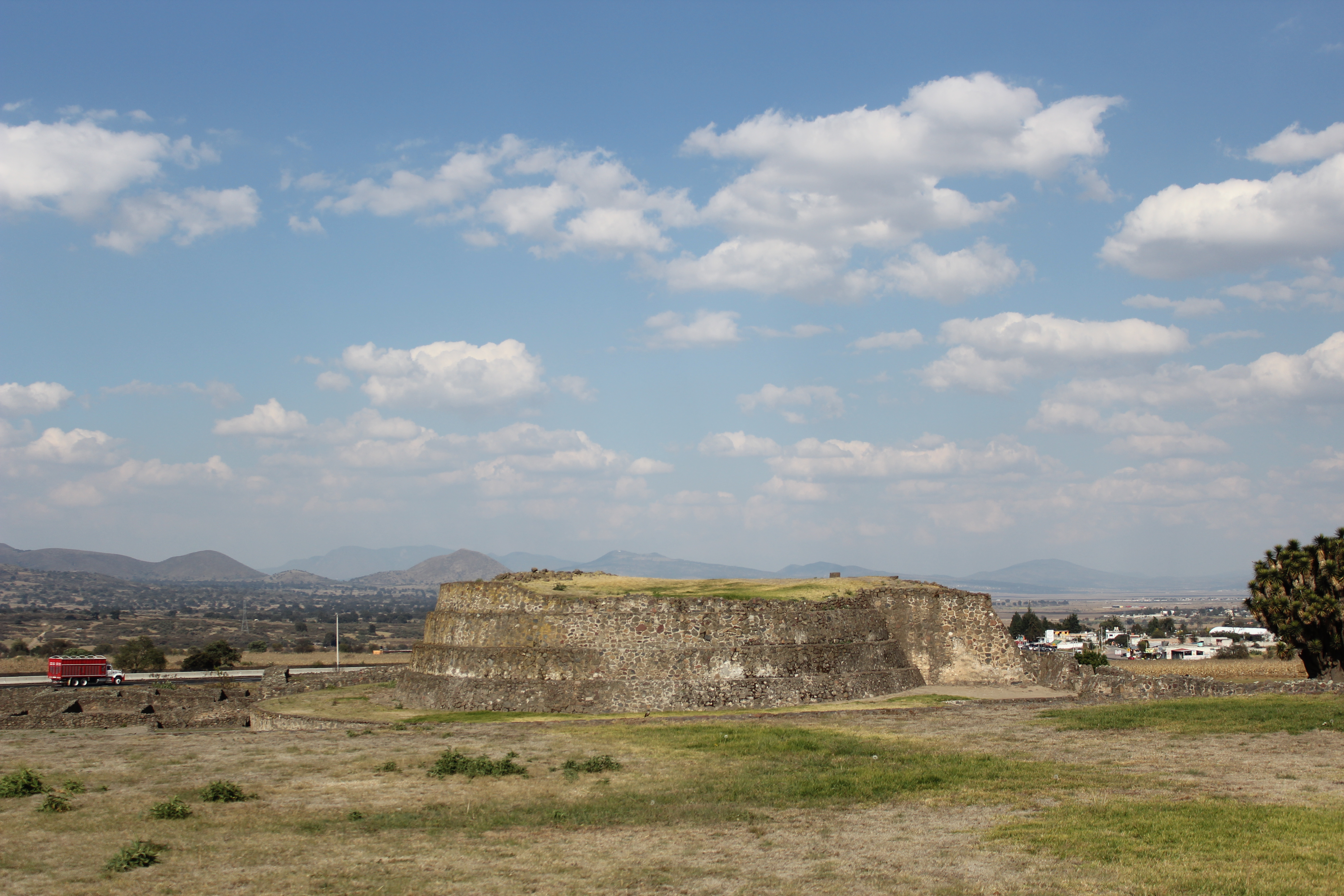
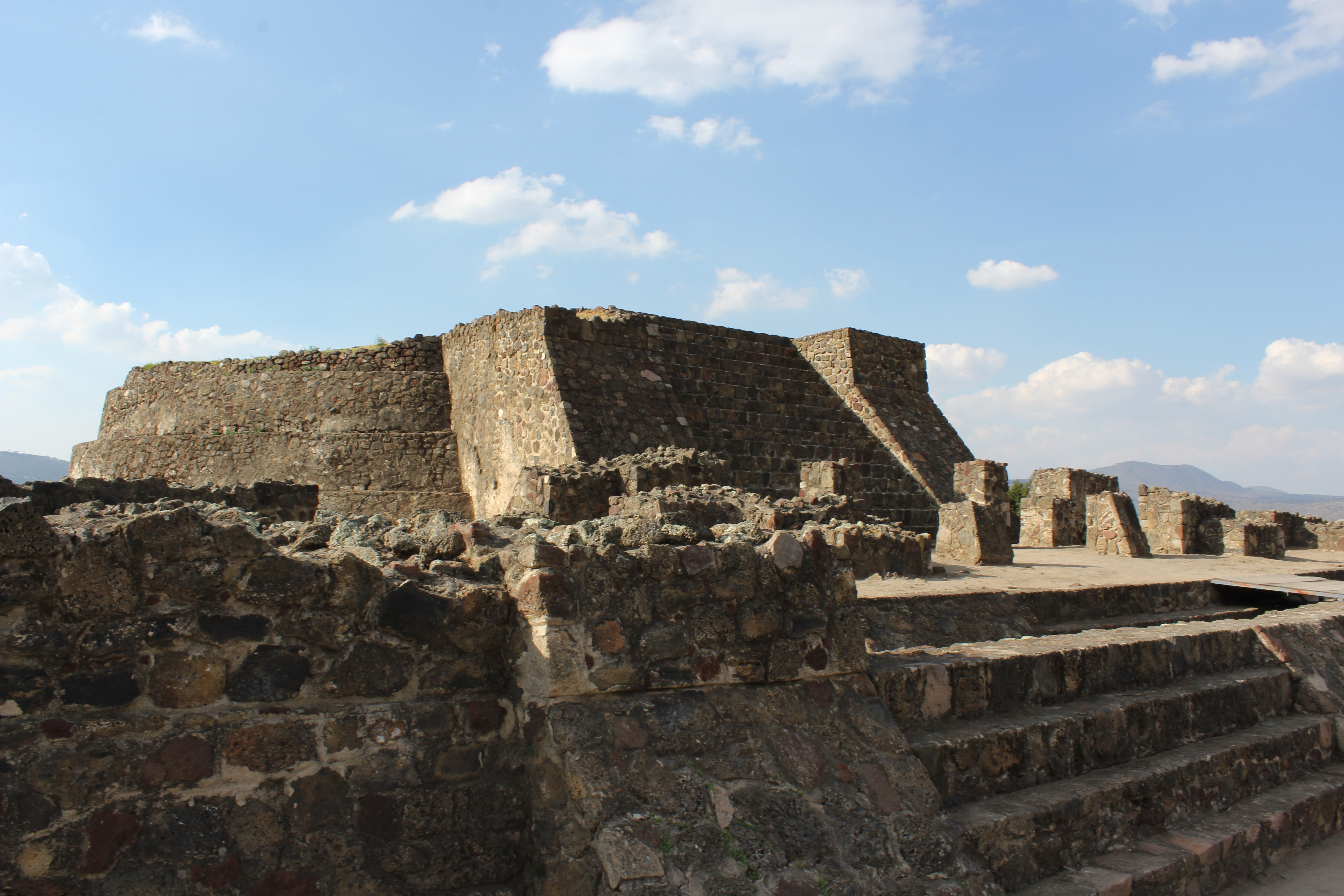
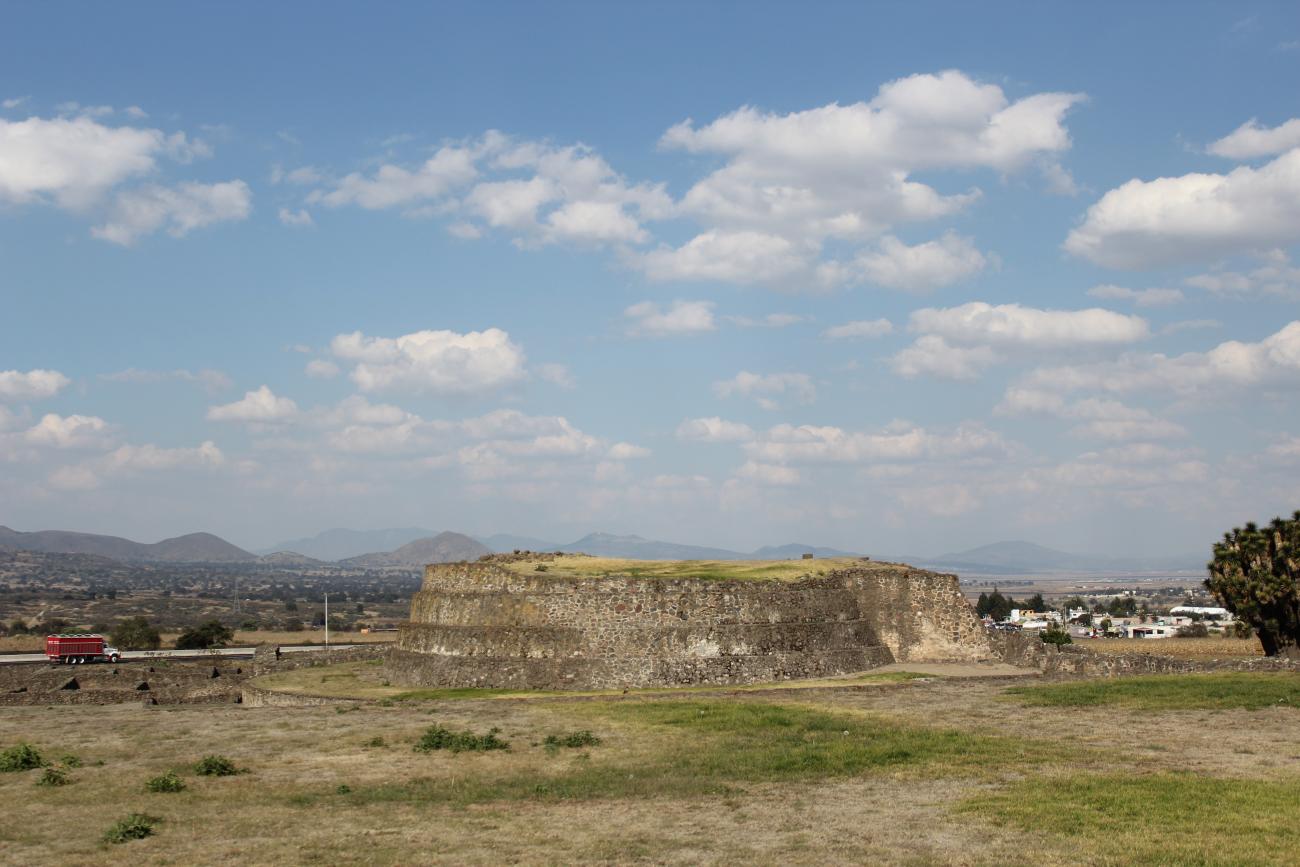
Important Acolhua settlement, played an important role in the control of the trade routes of the Triple Alliance (Tlacopan, Texcoco and Tenochtitilan) with an unusual circular pyramid dedicated to Ehécatl. This site is better known as the place where a group of Spaniards were captured and sacrificed during the Conquest.
The importance of this site is largely a result of its frontier location between the state of Tlaxcala and the Acolhua region, lying in the eastern part of the Mexico basin.
The first archeological excavations of this settlement were carried out in the 1970s. Excavations were directed by the archeologist Román Piña Chan, who published a brief summary in his book “Ciudades Arqueológicas de México” (INAH, 1963). During the following decade surface work was carried out on the site with the support of the Fundación Alemana under the direction of Ángel García Cook and his team, notably including the archeologist Leonor Merino Carrión. After a gap of more than 30 years, in 1992 archeological excavation and investigation of the ceremonial center of the site recommenced. The archeologists Ana María Jarquín Pacheco and Enrique Martínez Vargas headed two projects to research the finds.
The work undertaken over 23 years has enabled the key events which took place on the site to be reconstructed. For example it was possible to identify Zultepec-Tecoaque as an important point in the development of trade in the west of Tlaxcala during the period from 1300 to 1521.
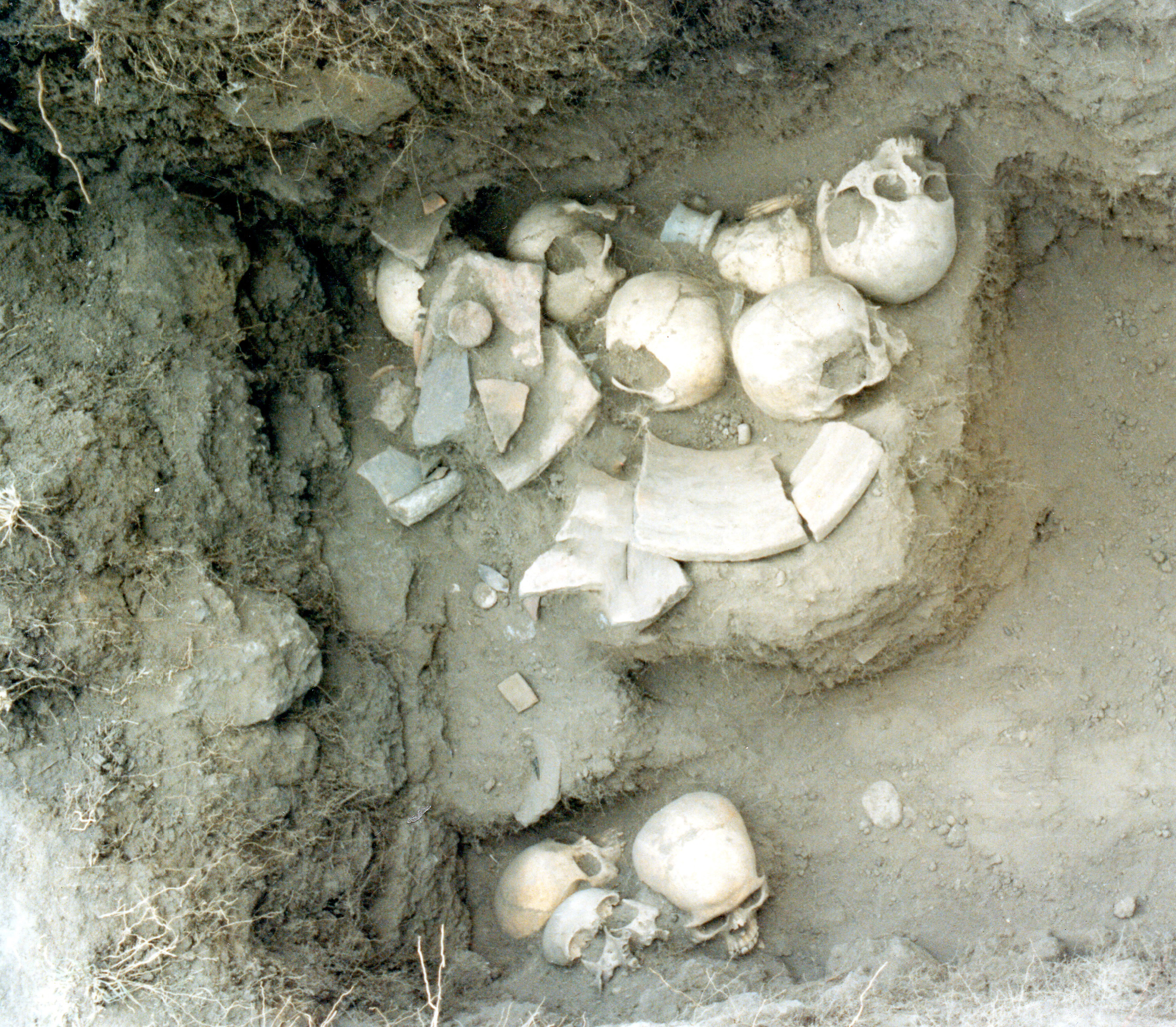
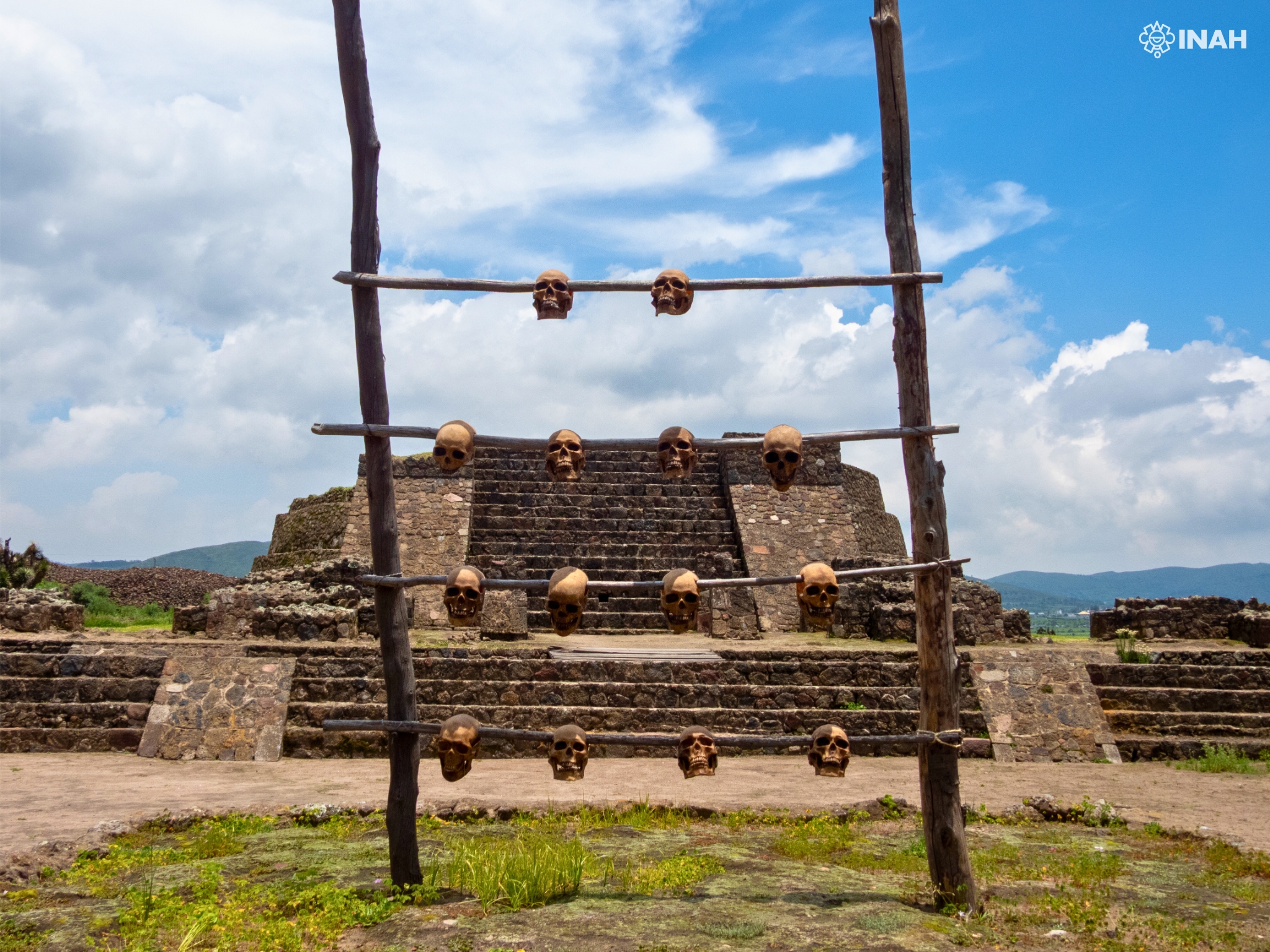
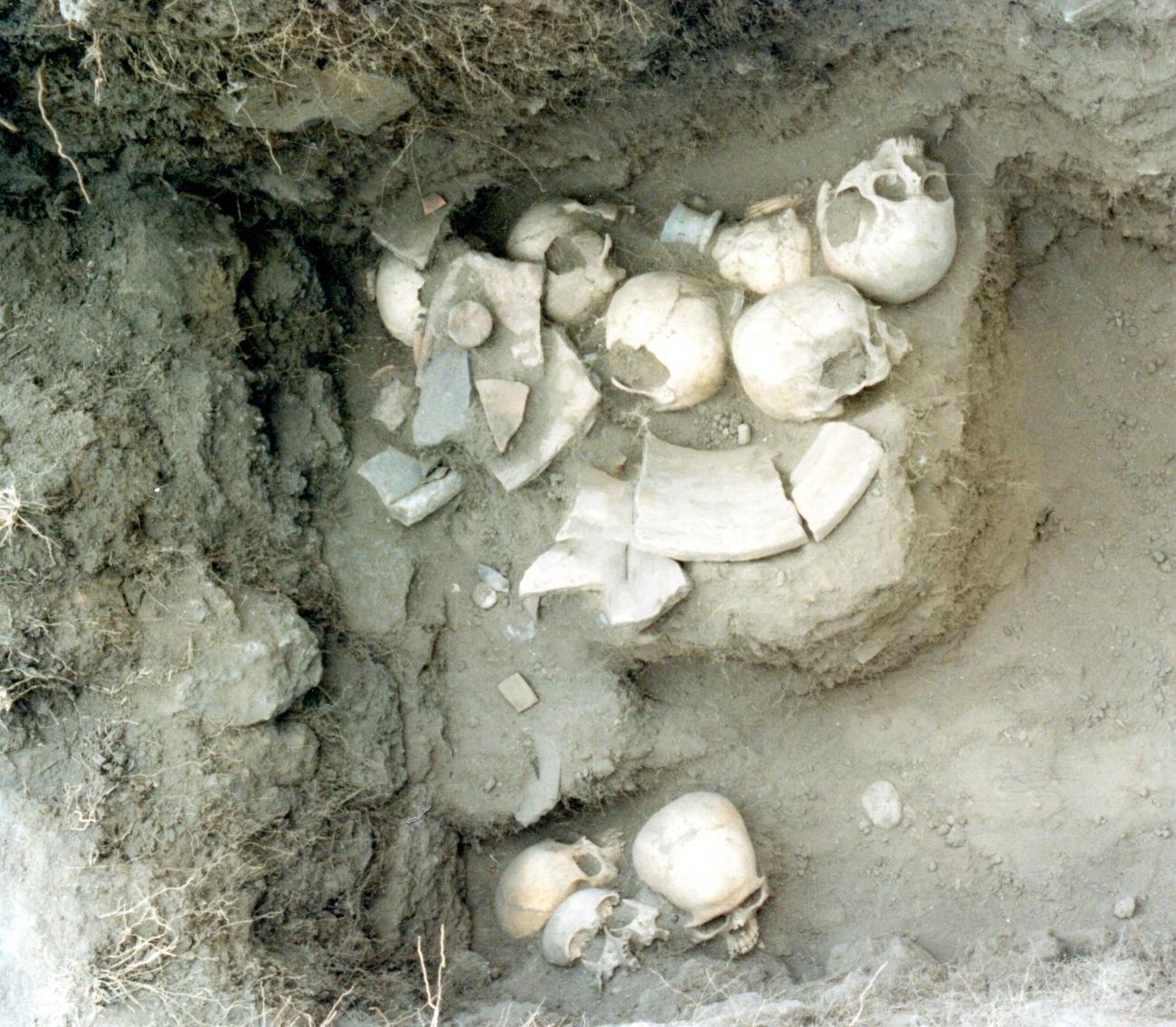
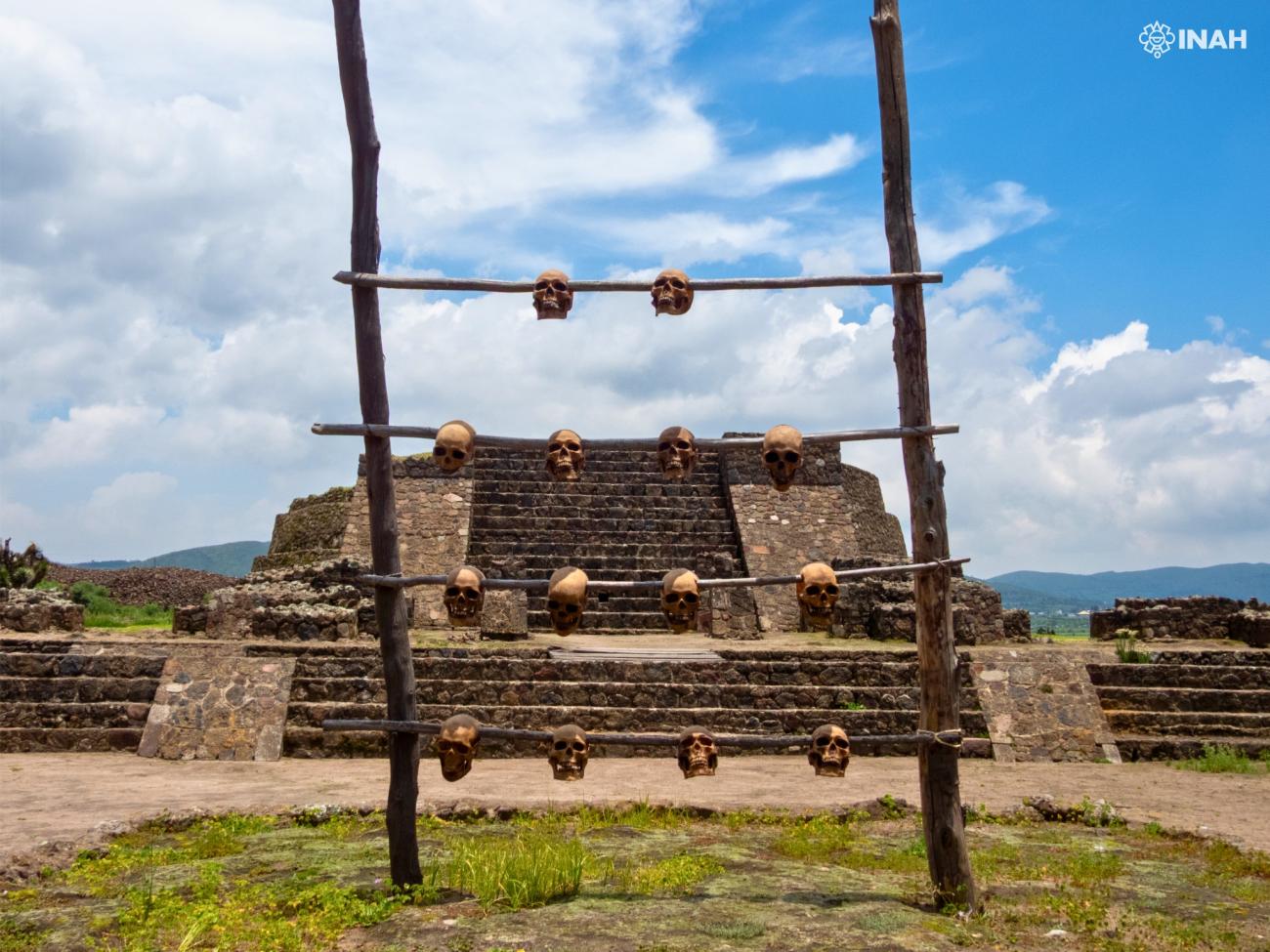
In addition to recovering a significant number of important archeological finds including a tzompantli or skull rack, a great number of objects and human and animal bones were found, coming from such varied places as Mesoamerica, Cuba and Europe. This was the site of the capture of a Spanish convoy which formed part of the expedition of Pánfilo de Narváez, whose mission was to apprehend Hernán Cortés.
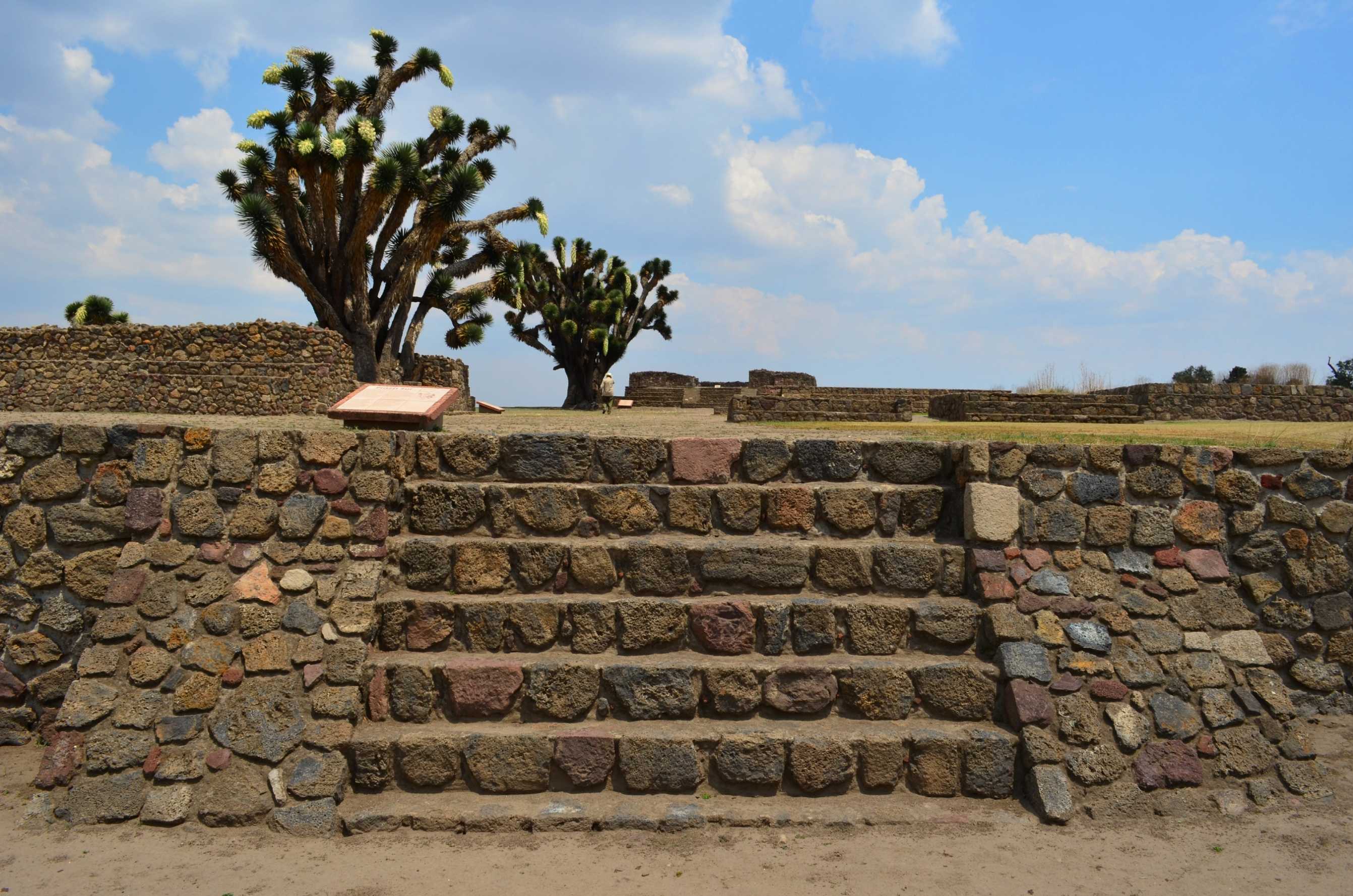
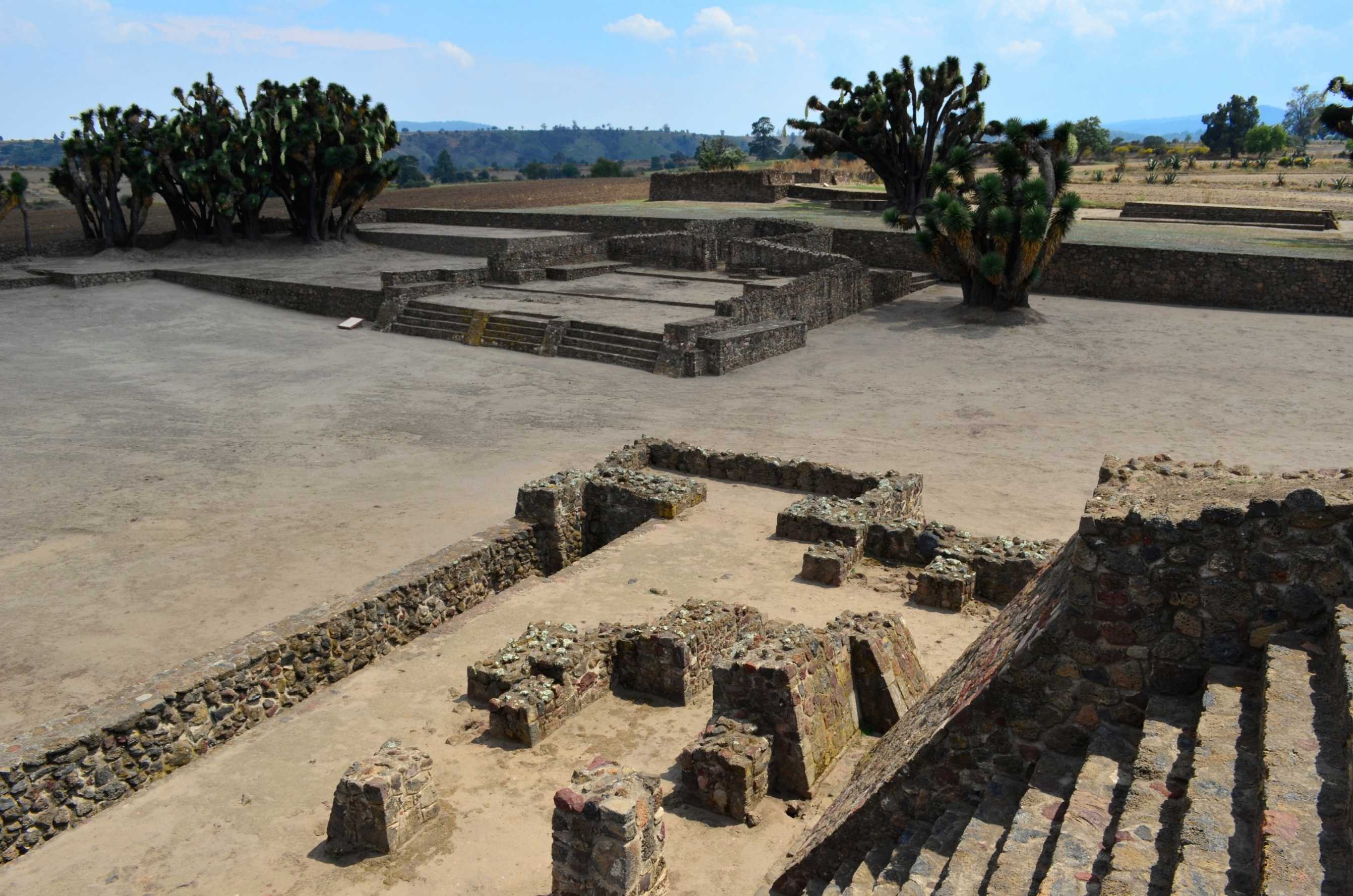
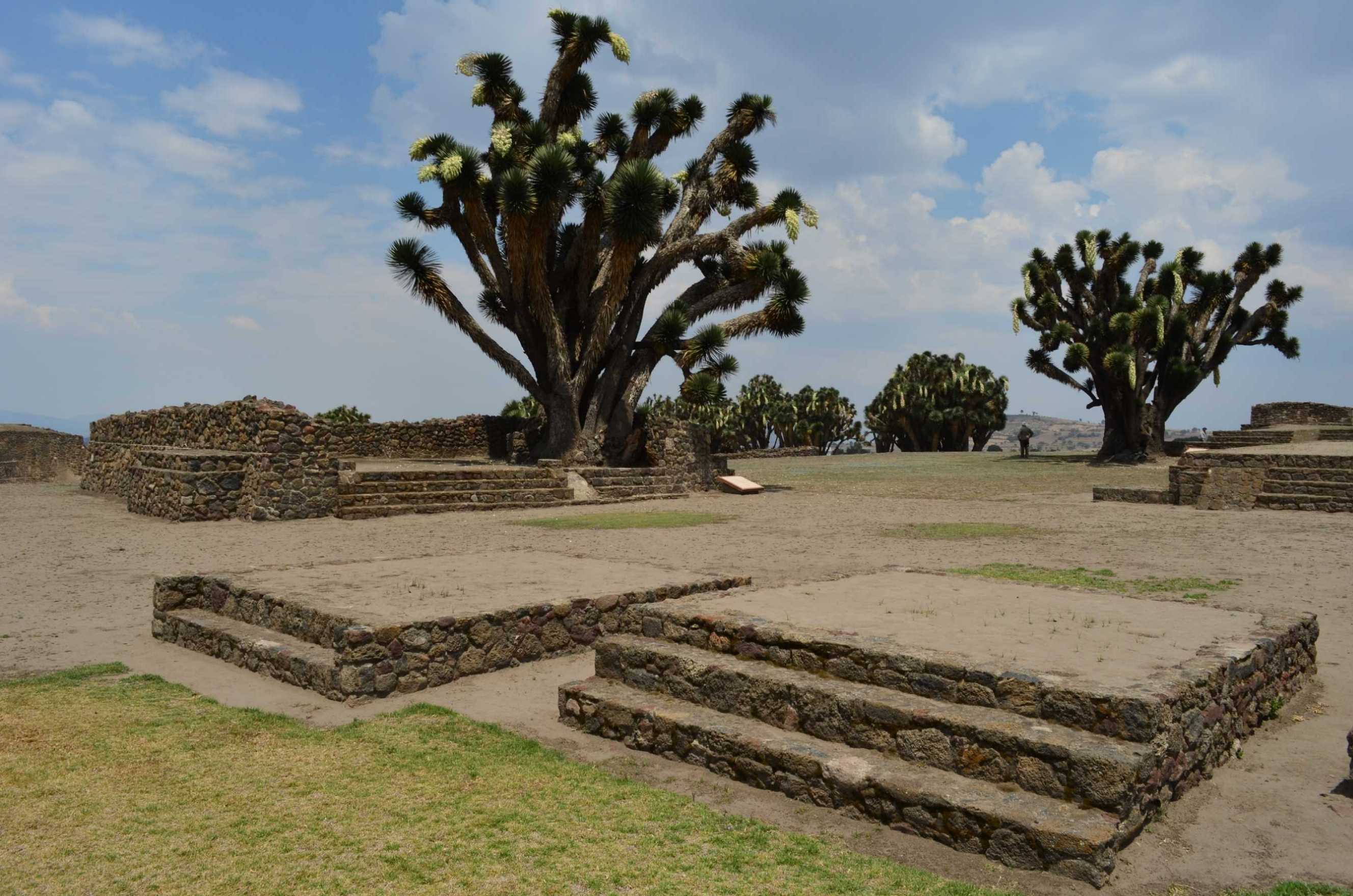
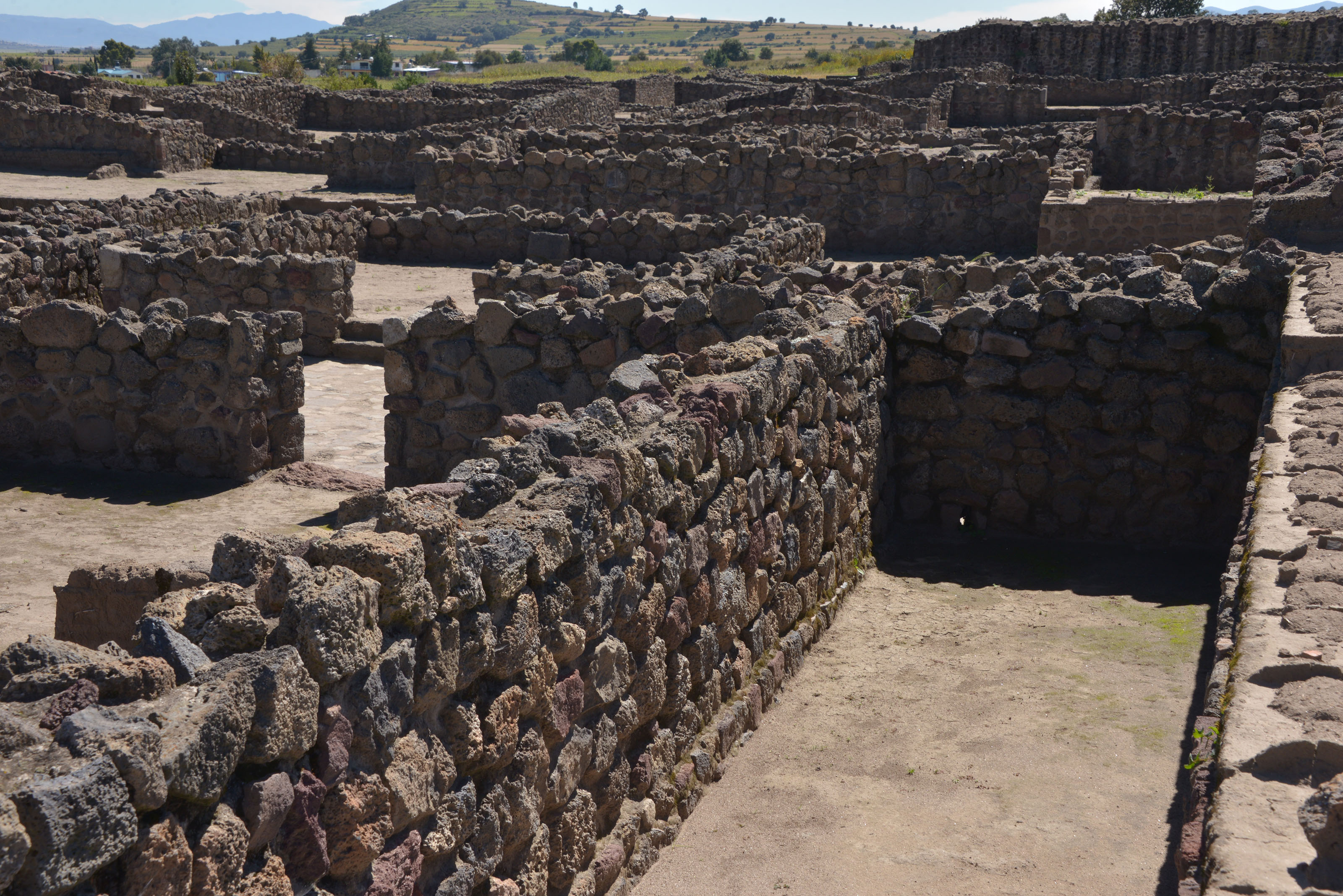
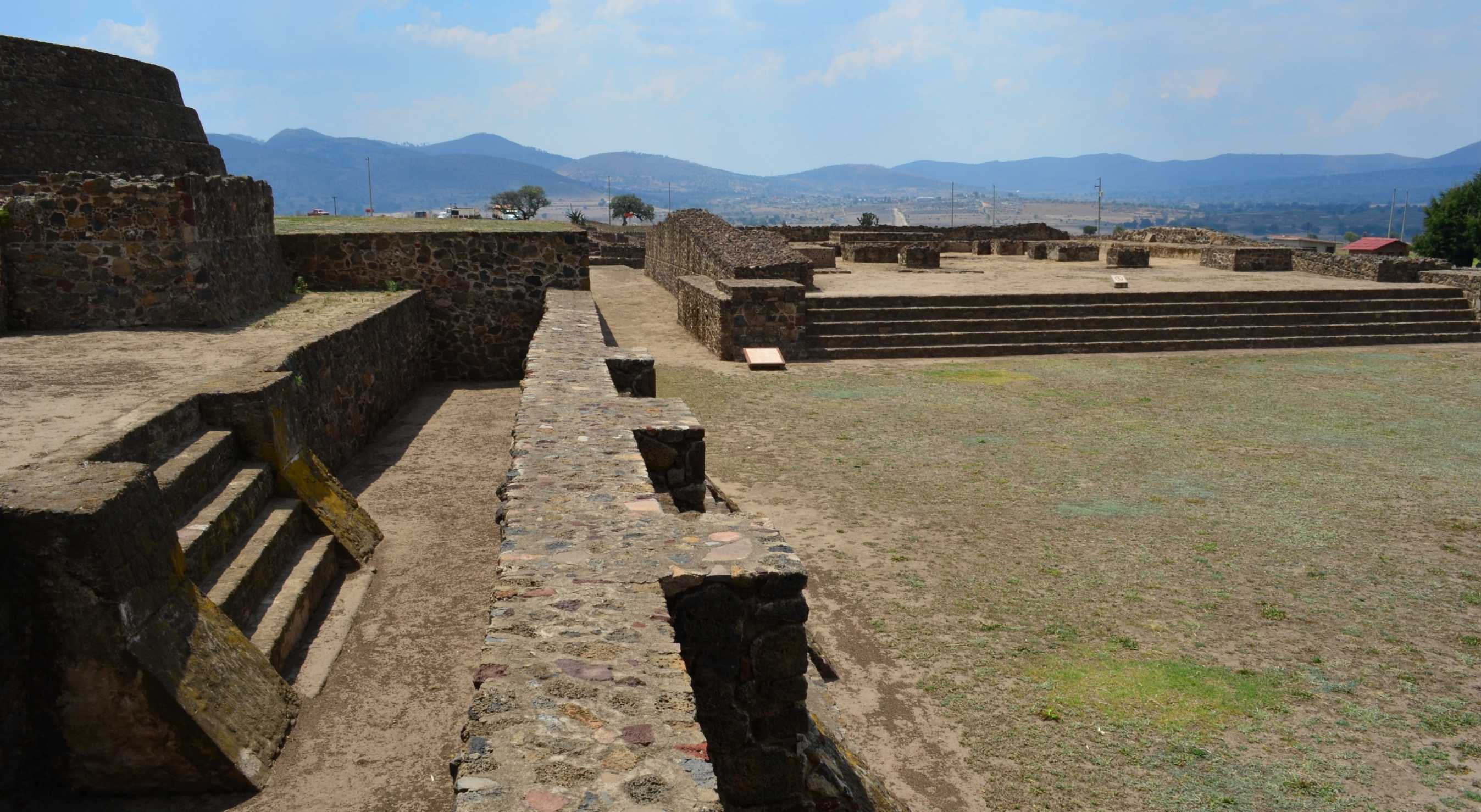
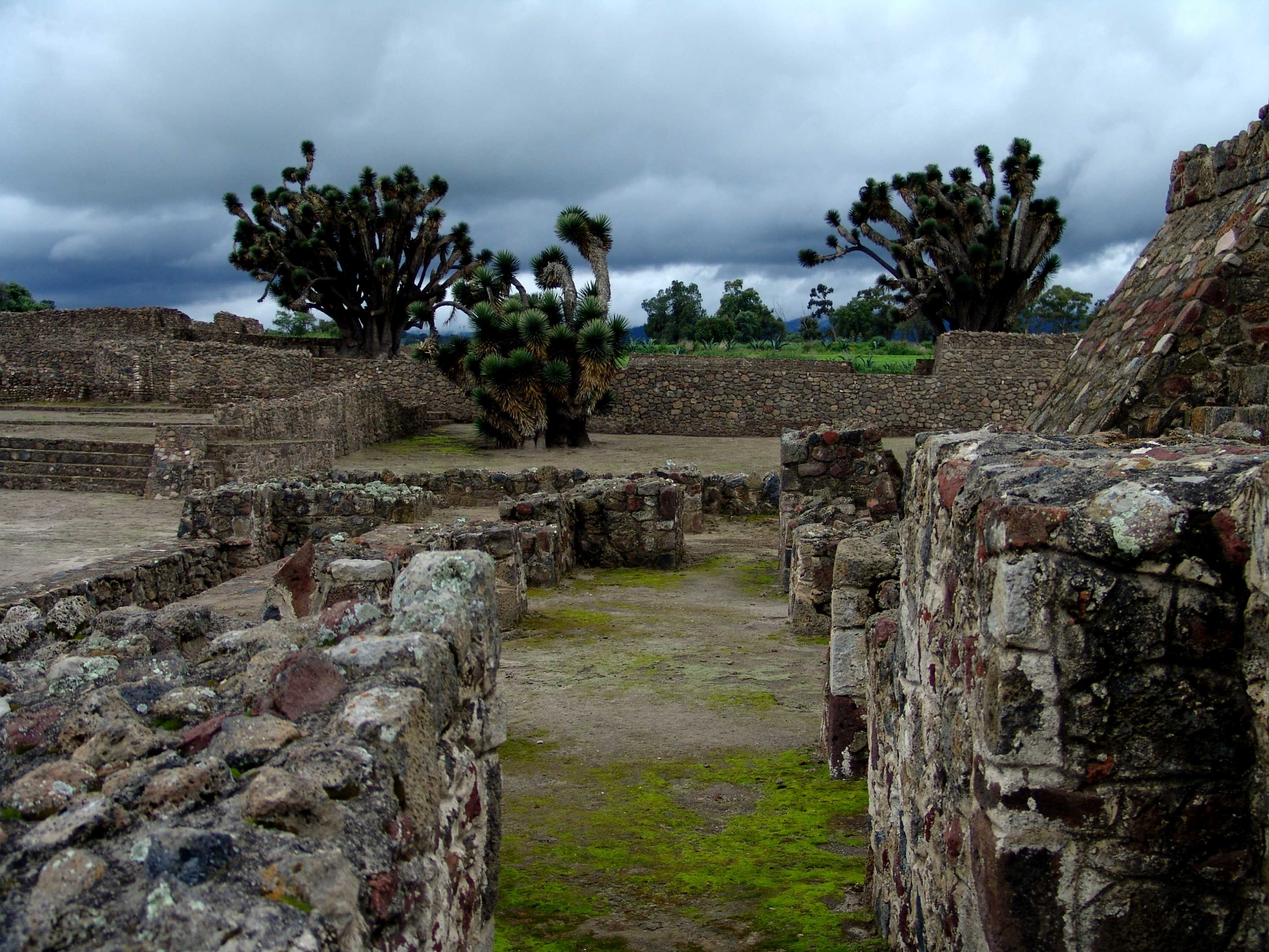
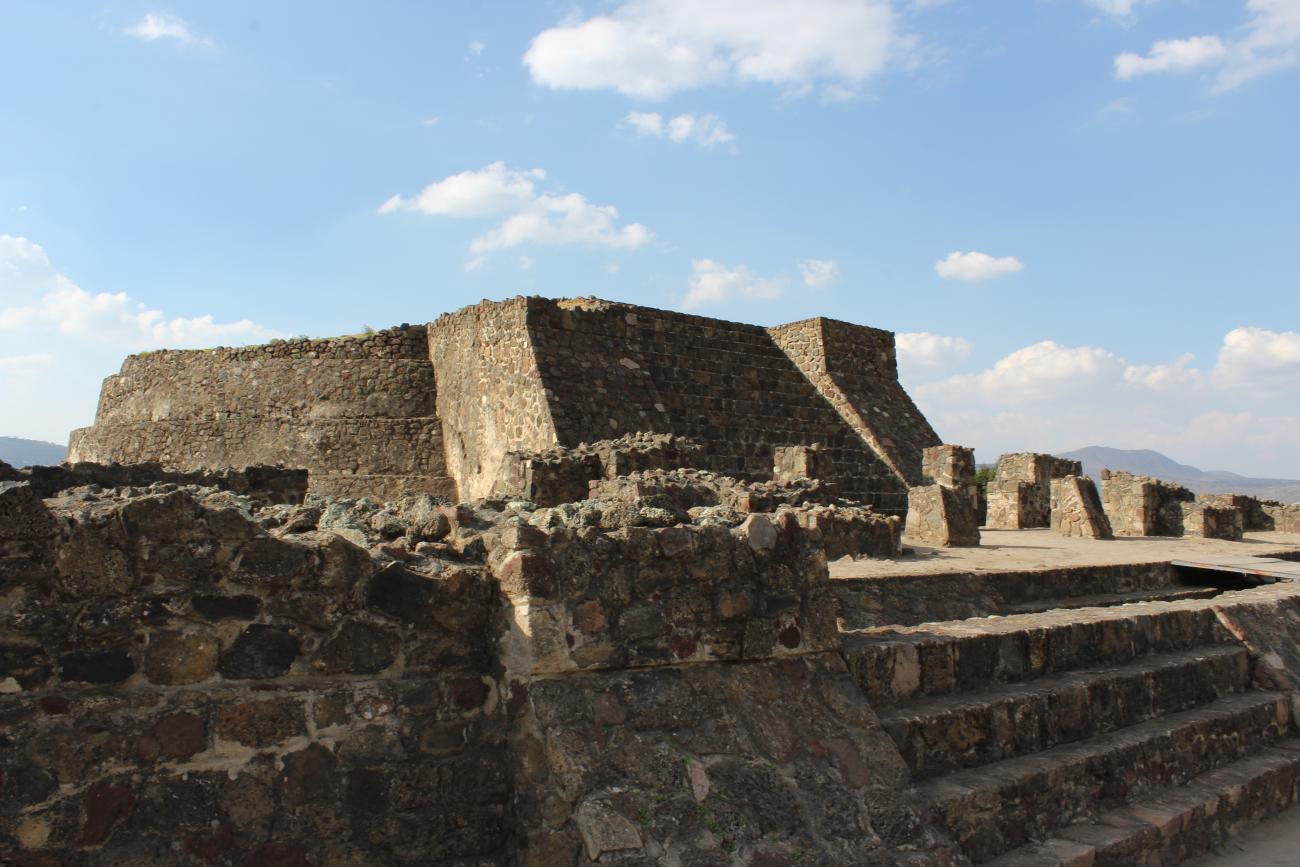
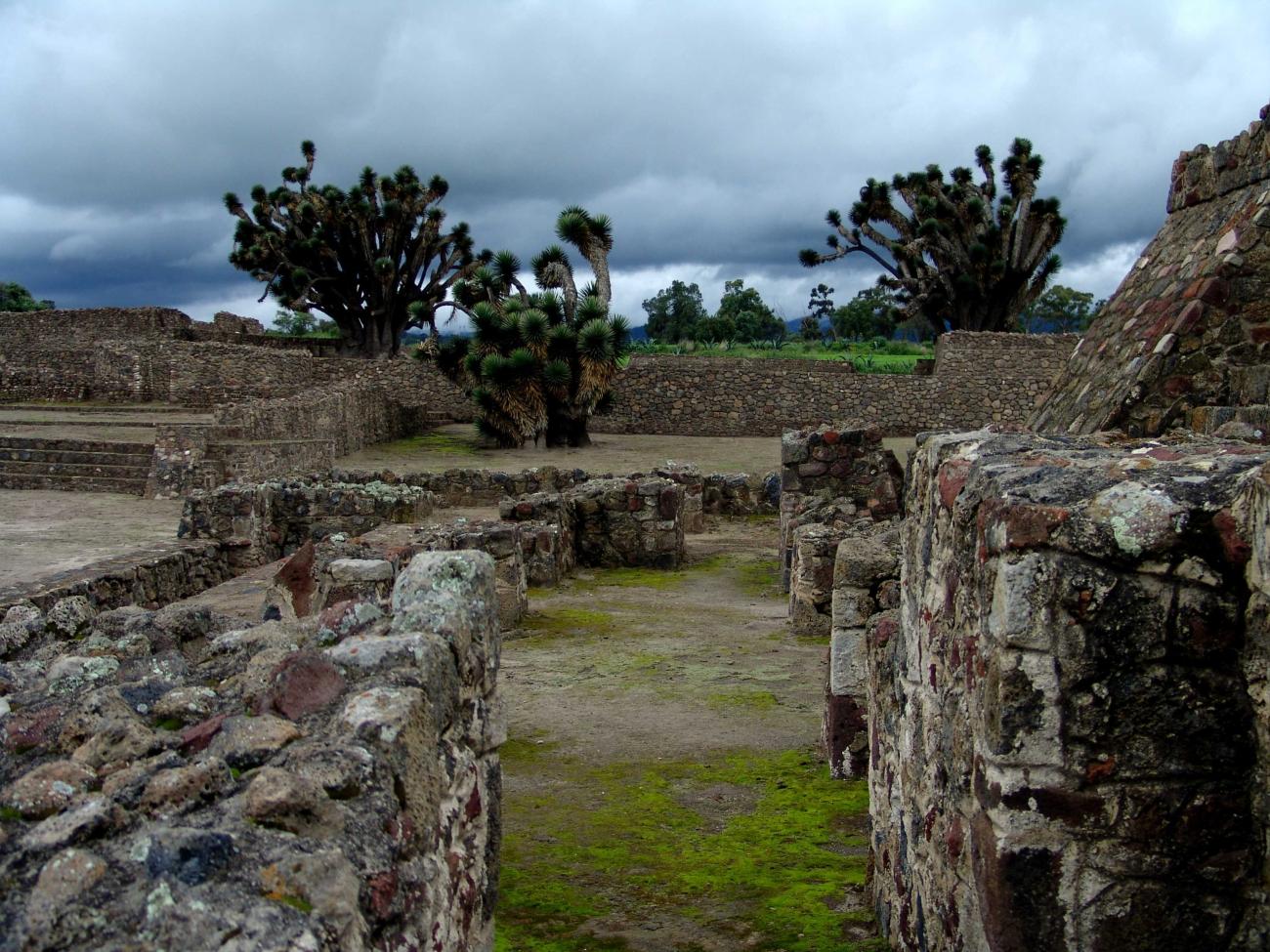
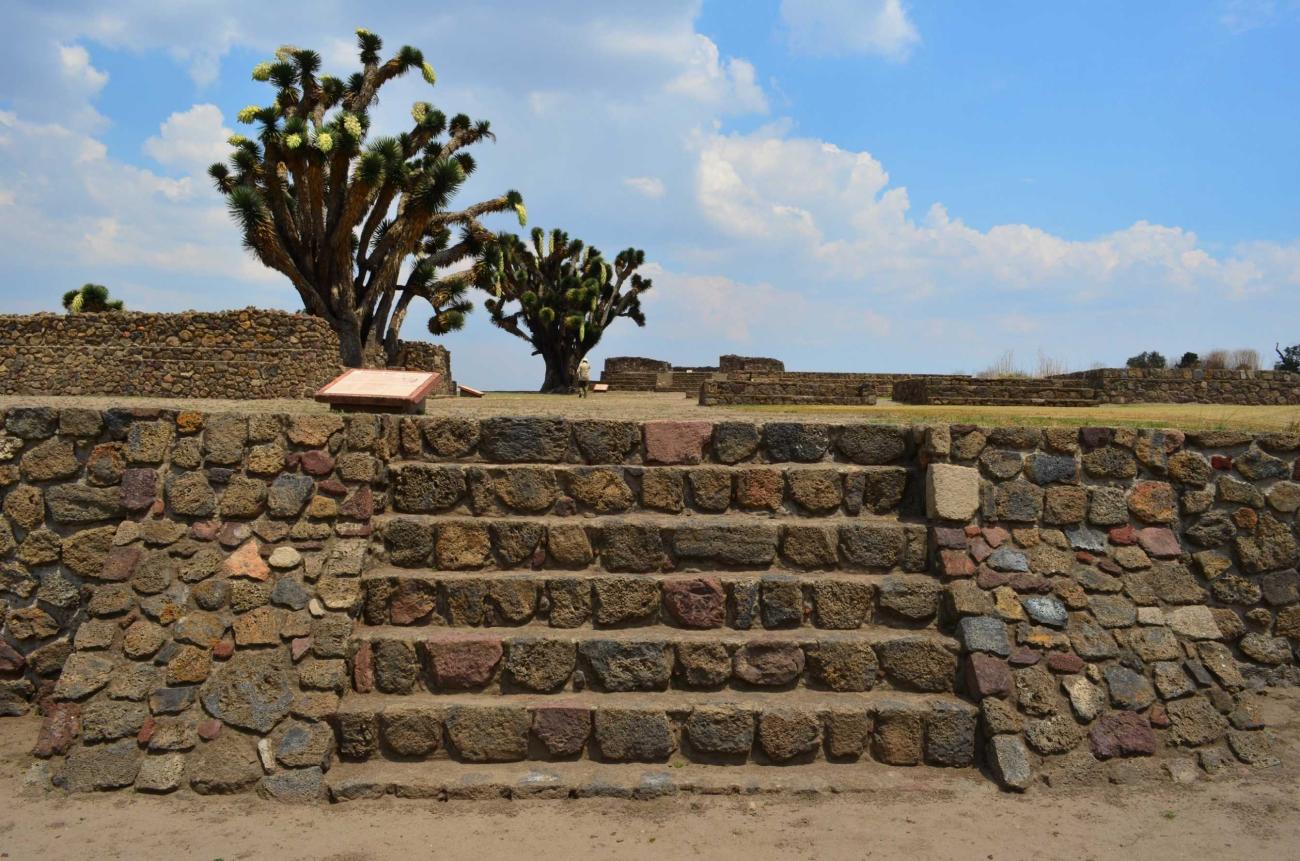
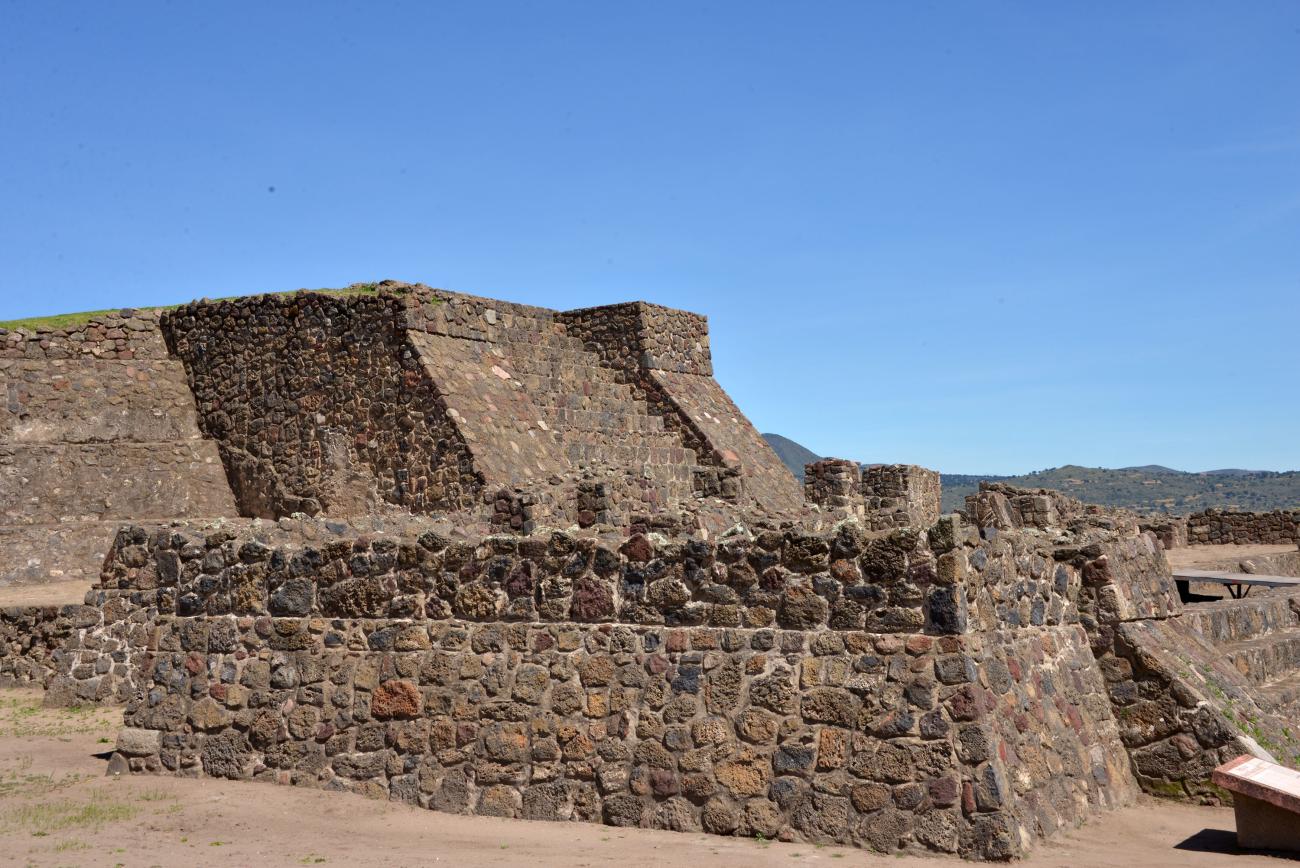
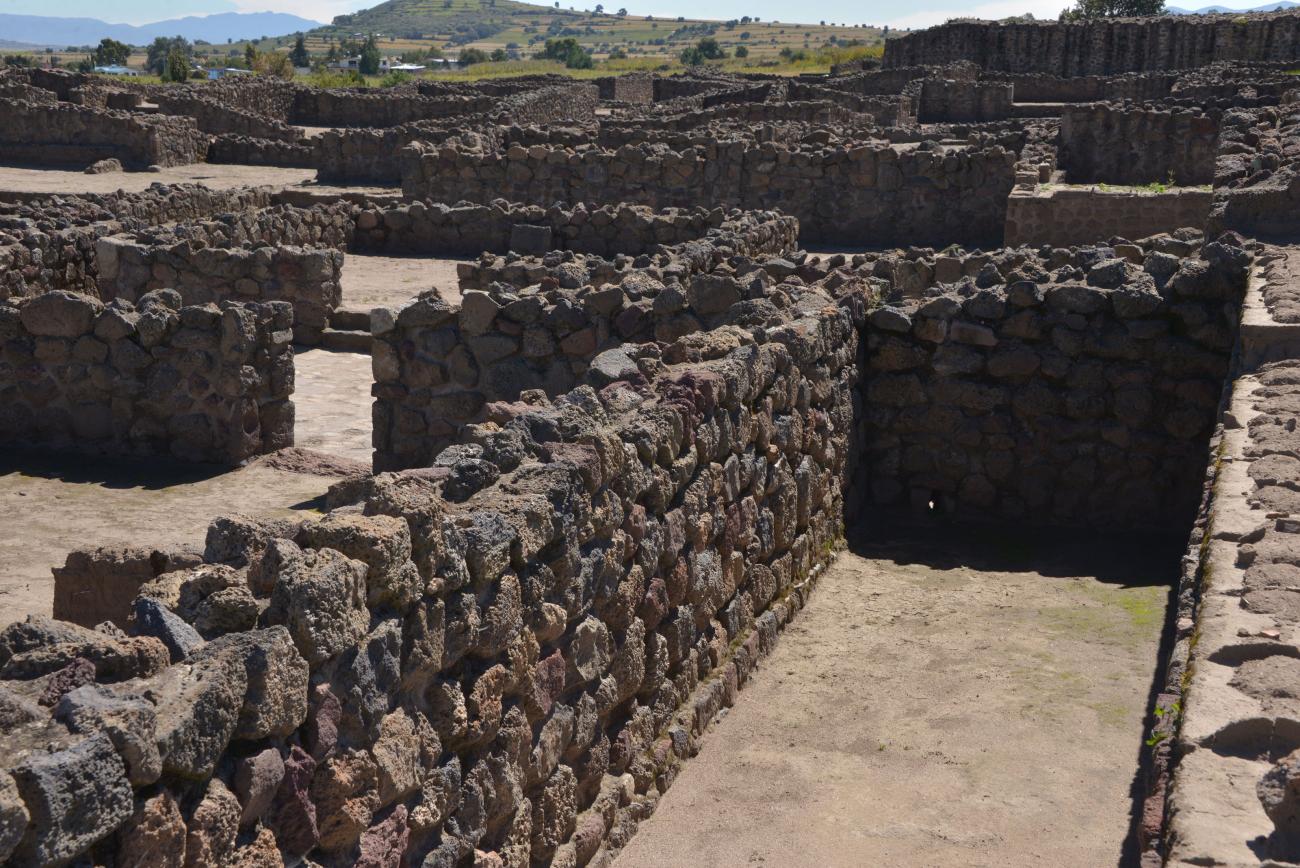
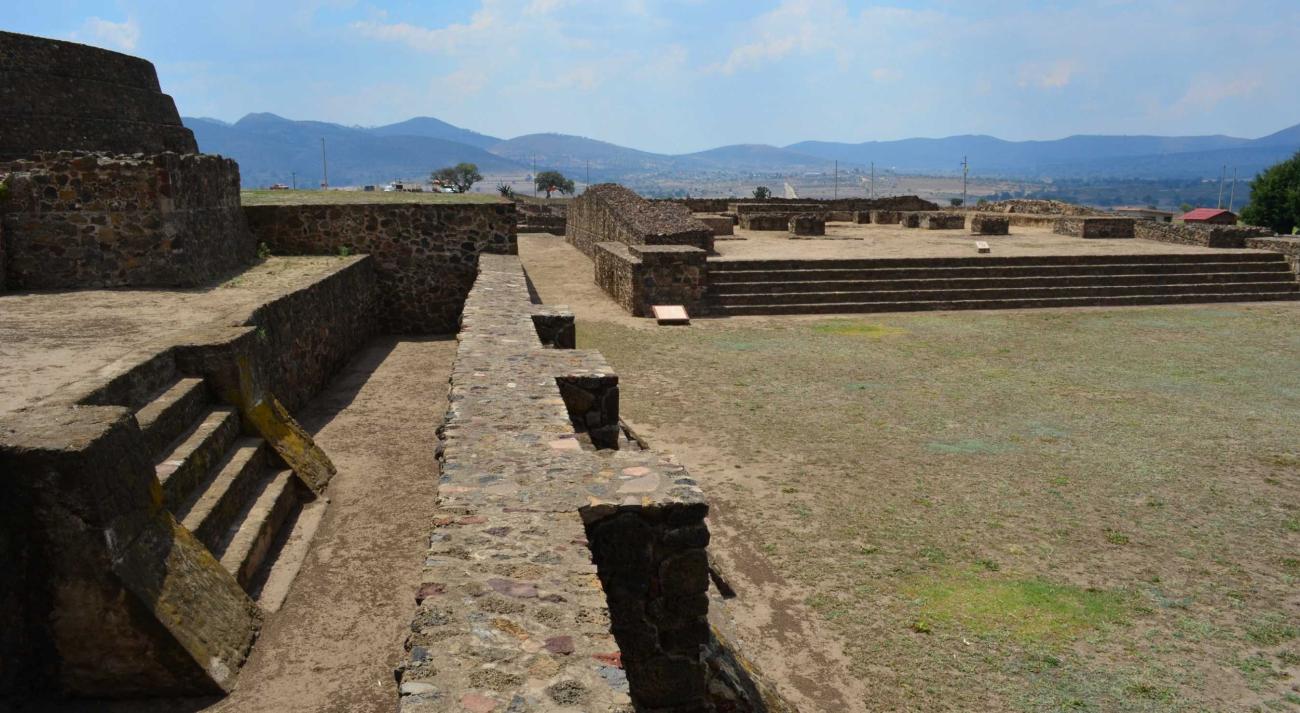
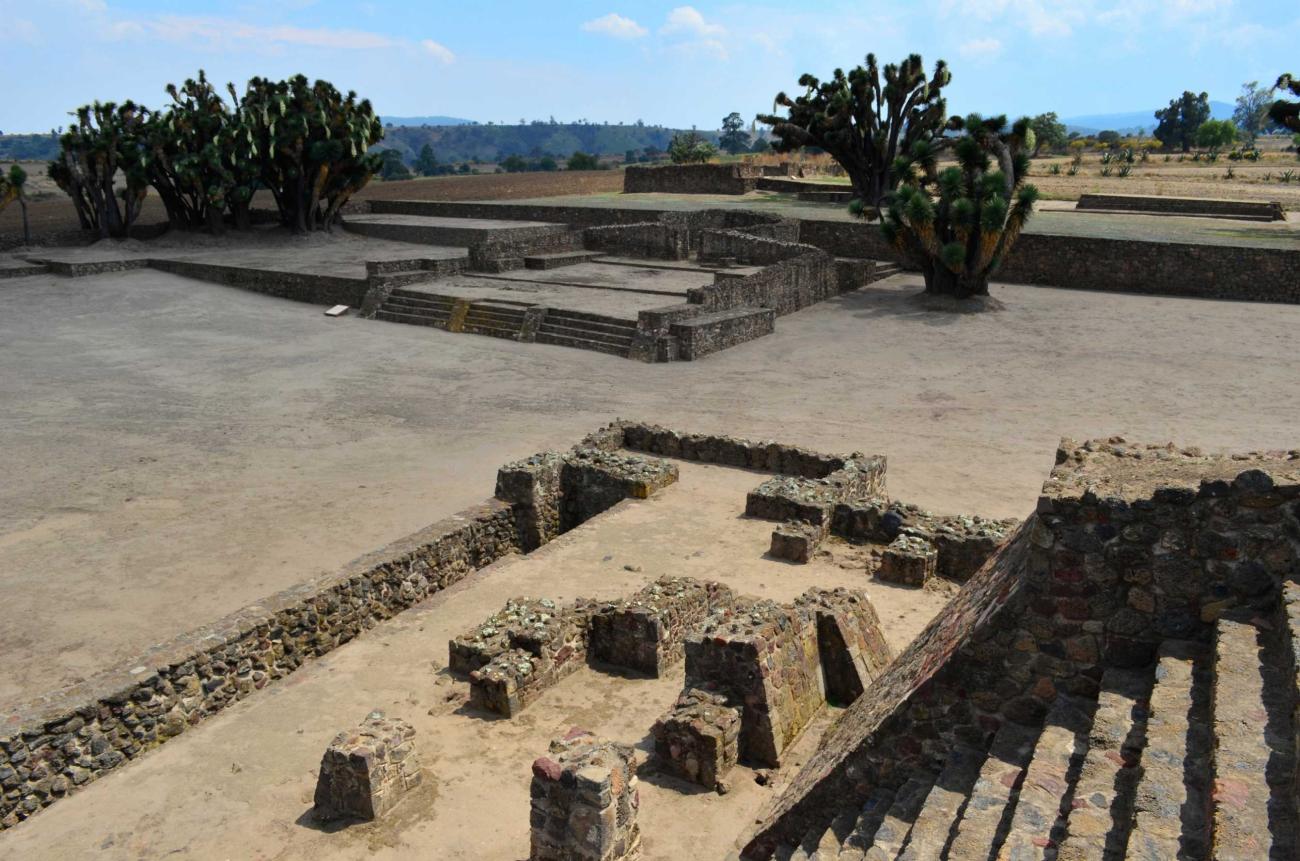
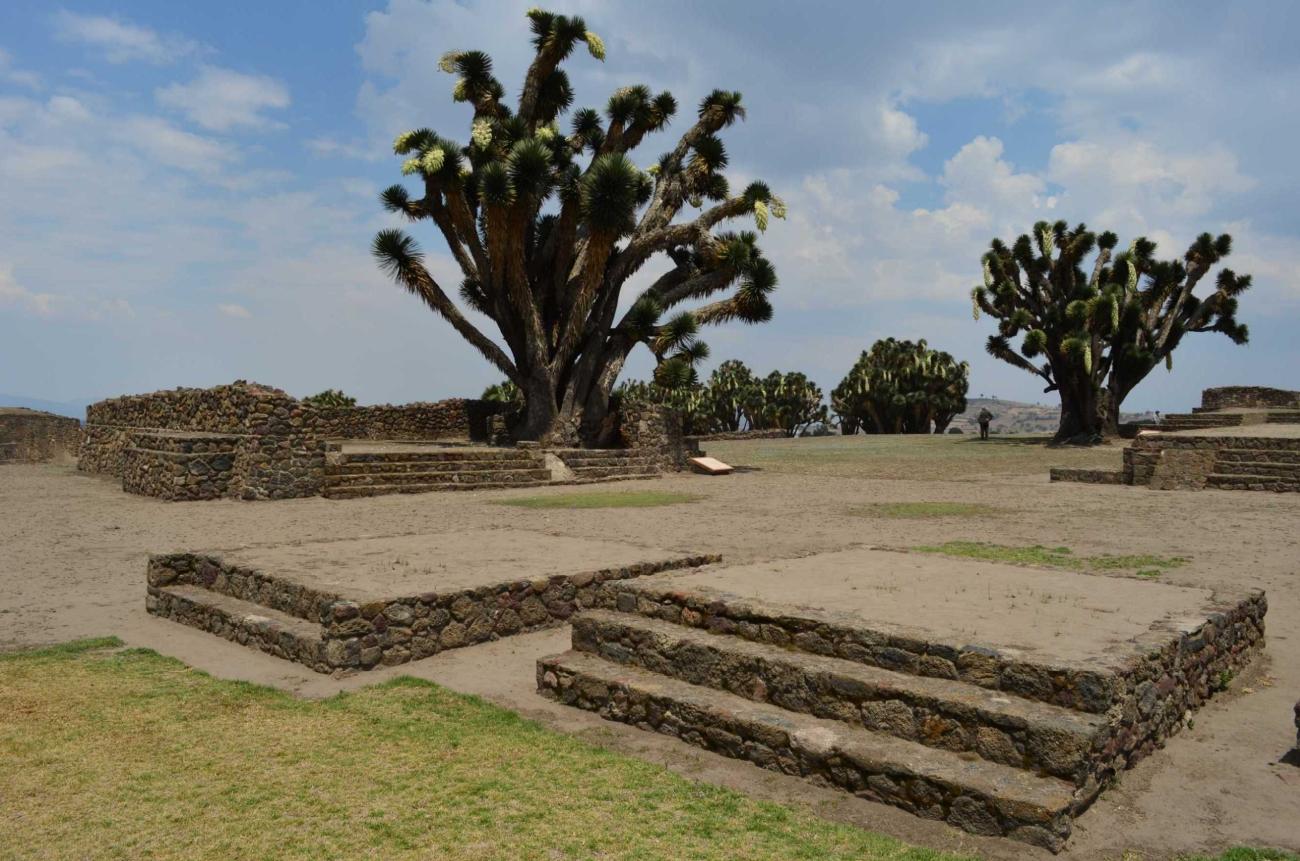
The archeological site consists of three plazas built on different levels. The most notable is the ceremonial center, and within this is the circular temple dedicated to the god of the wind Ehecatl-Quetzalcoatl. The complex also has avenues, passageways, a patio and residential complexes, as well as an large number of cisterns for storing rainwater.
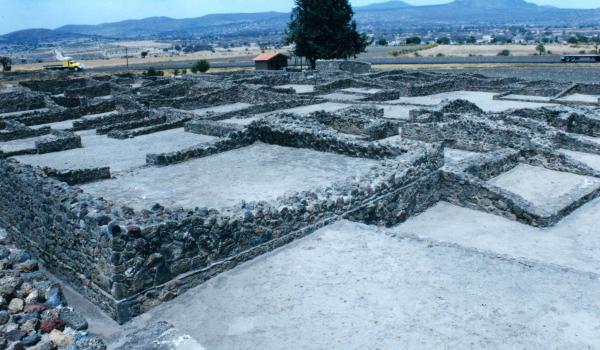
Centro ceremonial
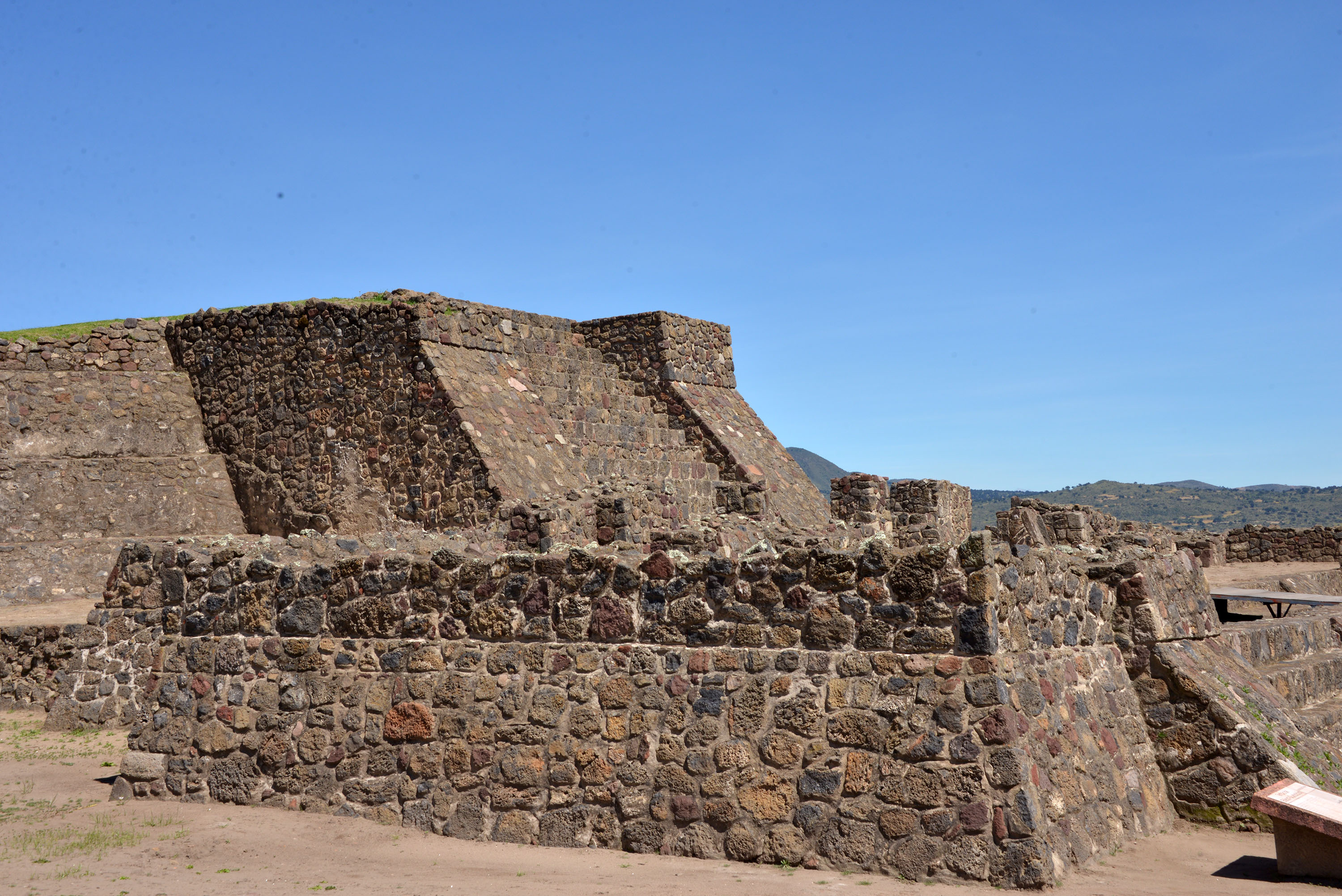
Its main monument is the circular temple built in honor of Ehécatl-Quetzalcóatl, although other gods were also worshipped, such as Tláloc (of rain), Mictlantecuhtli (of death) and Mayahuel (of the maguey).Temple of Ehécatl Quetzalcóatl, god of the windBuilding dedicated to Mictlantecuhtli, god of…
Centro ceremonial
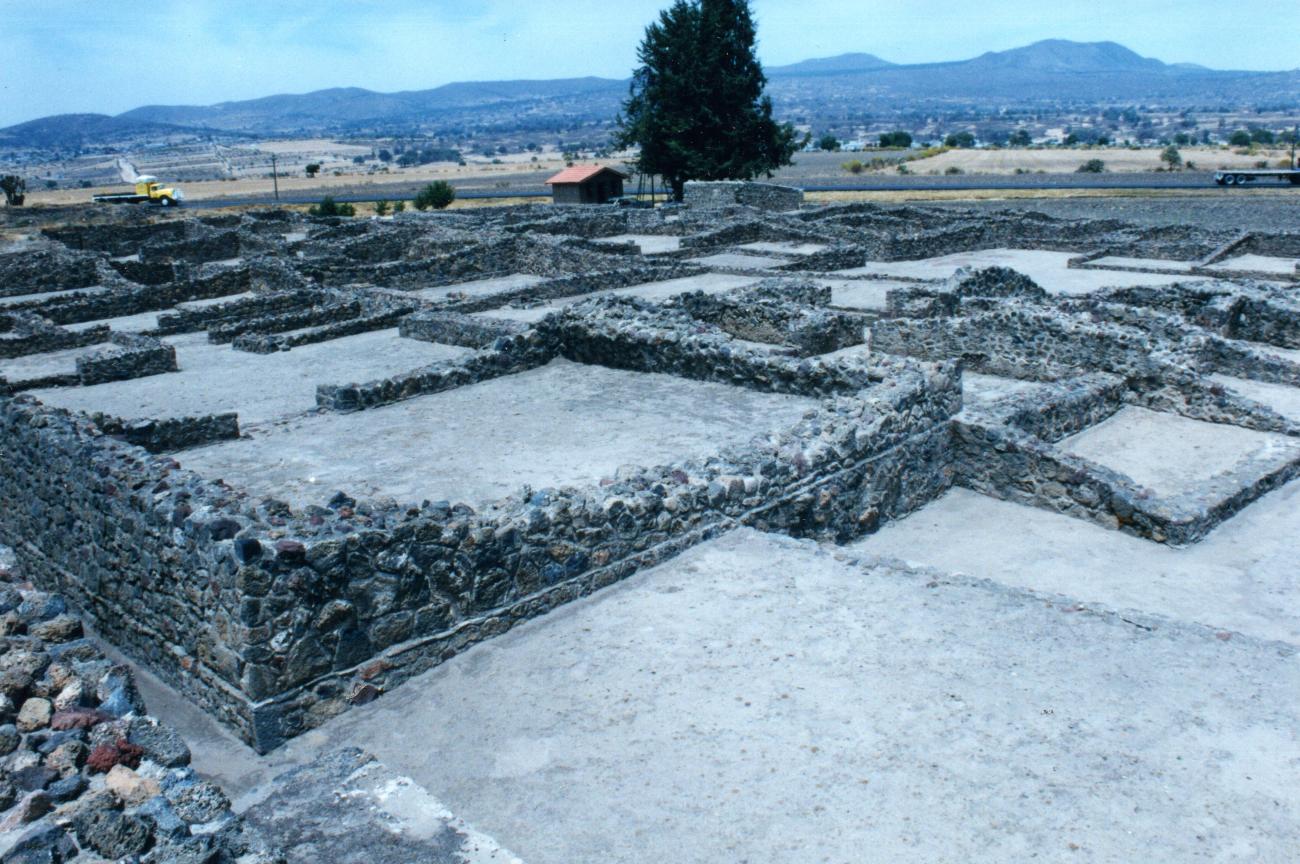
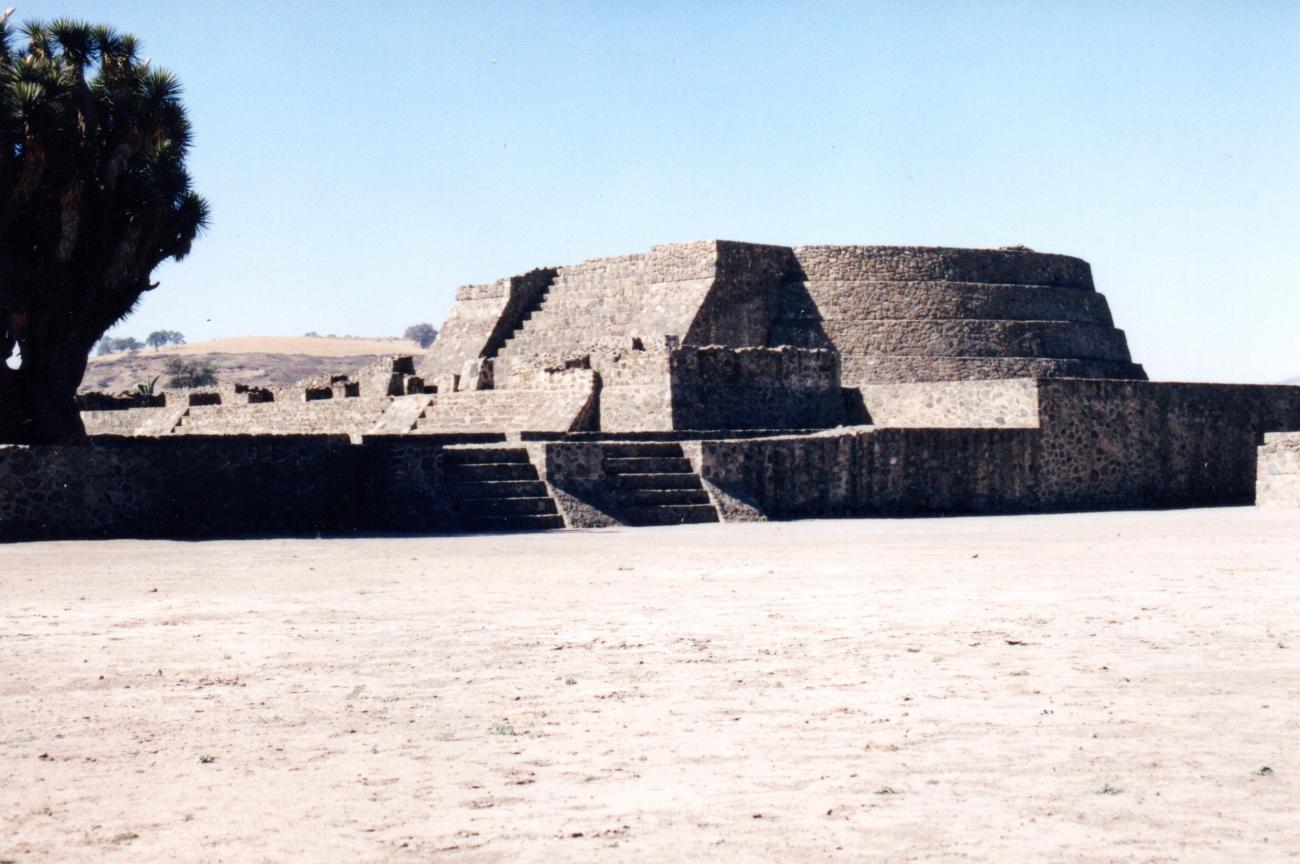
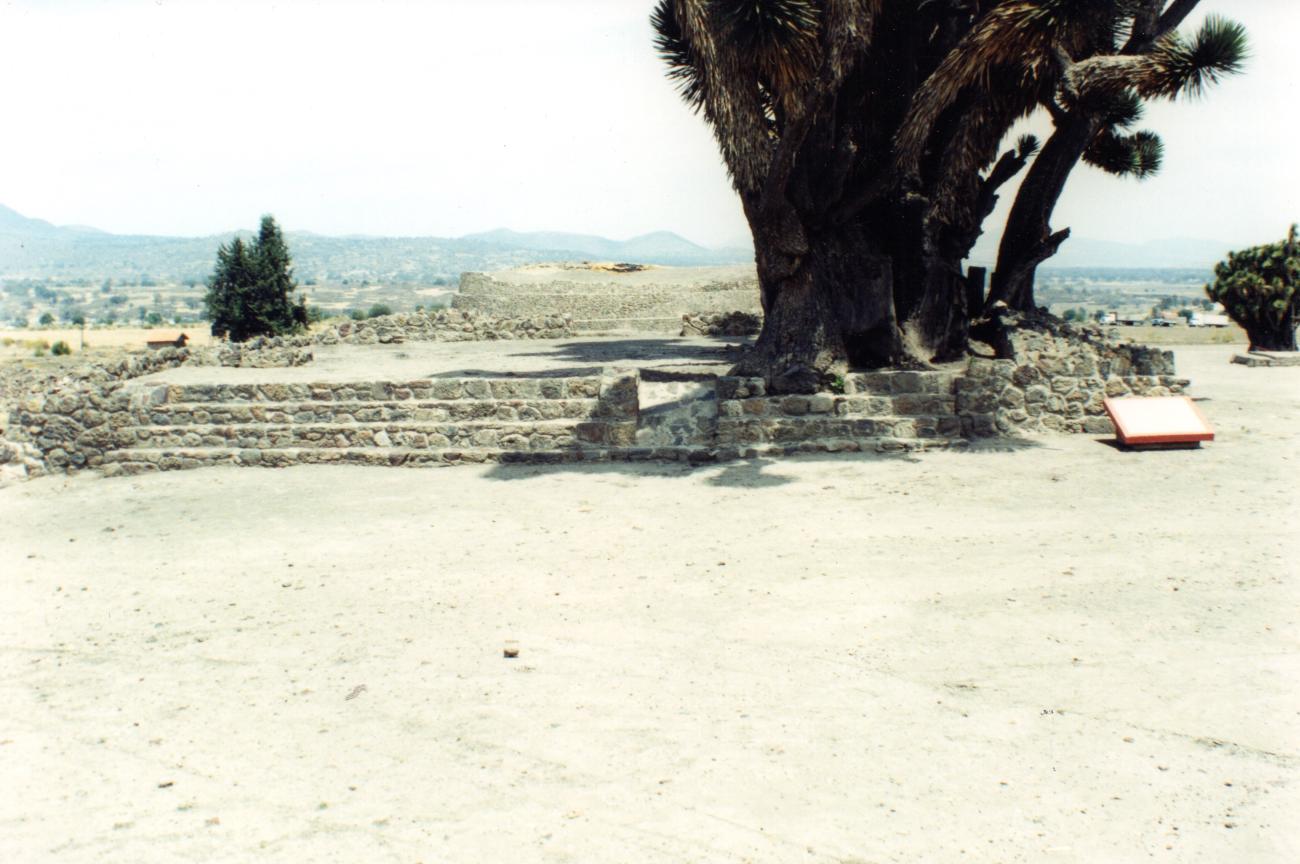
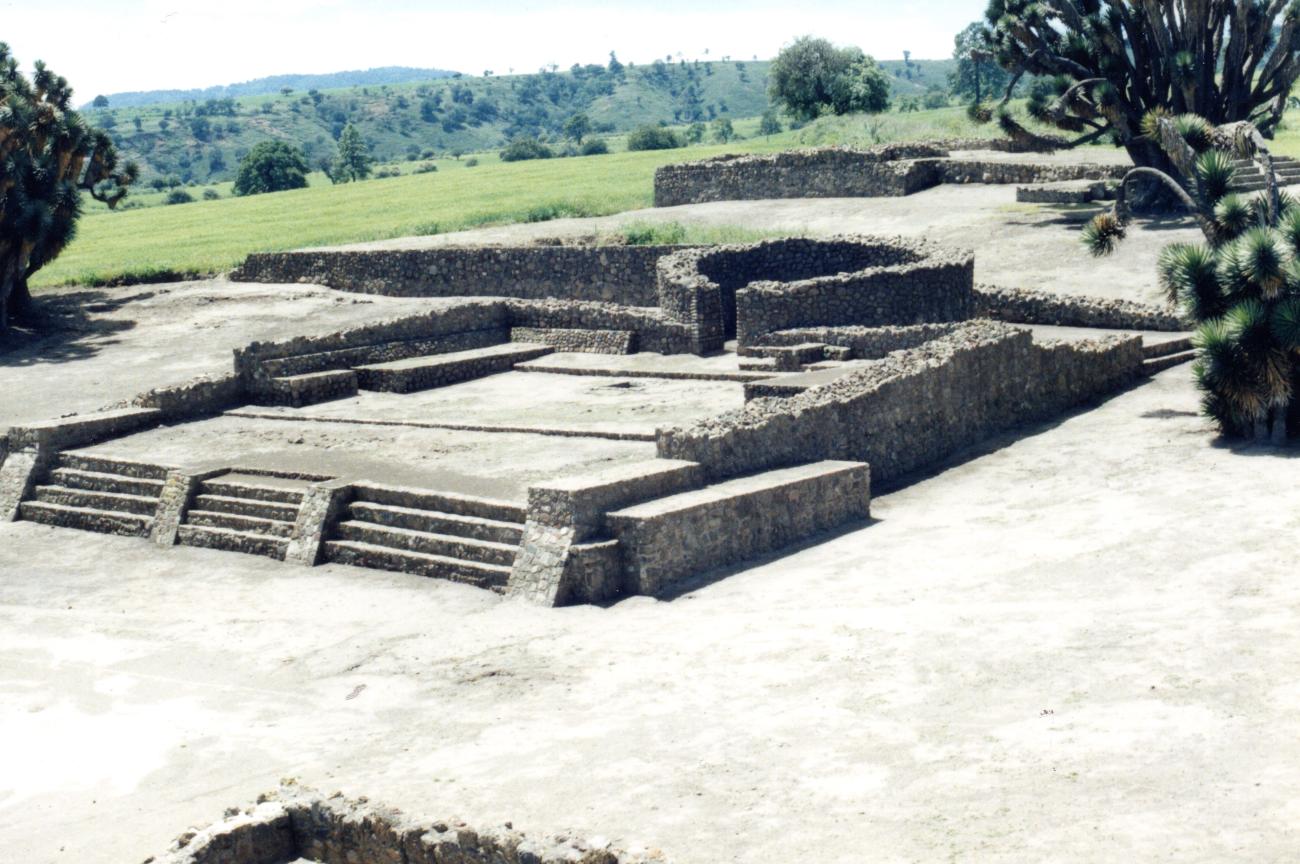
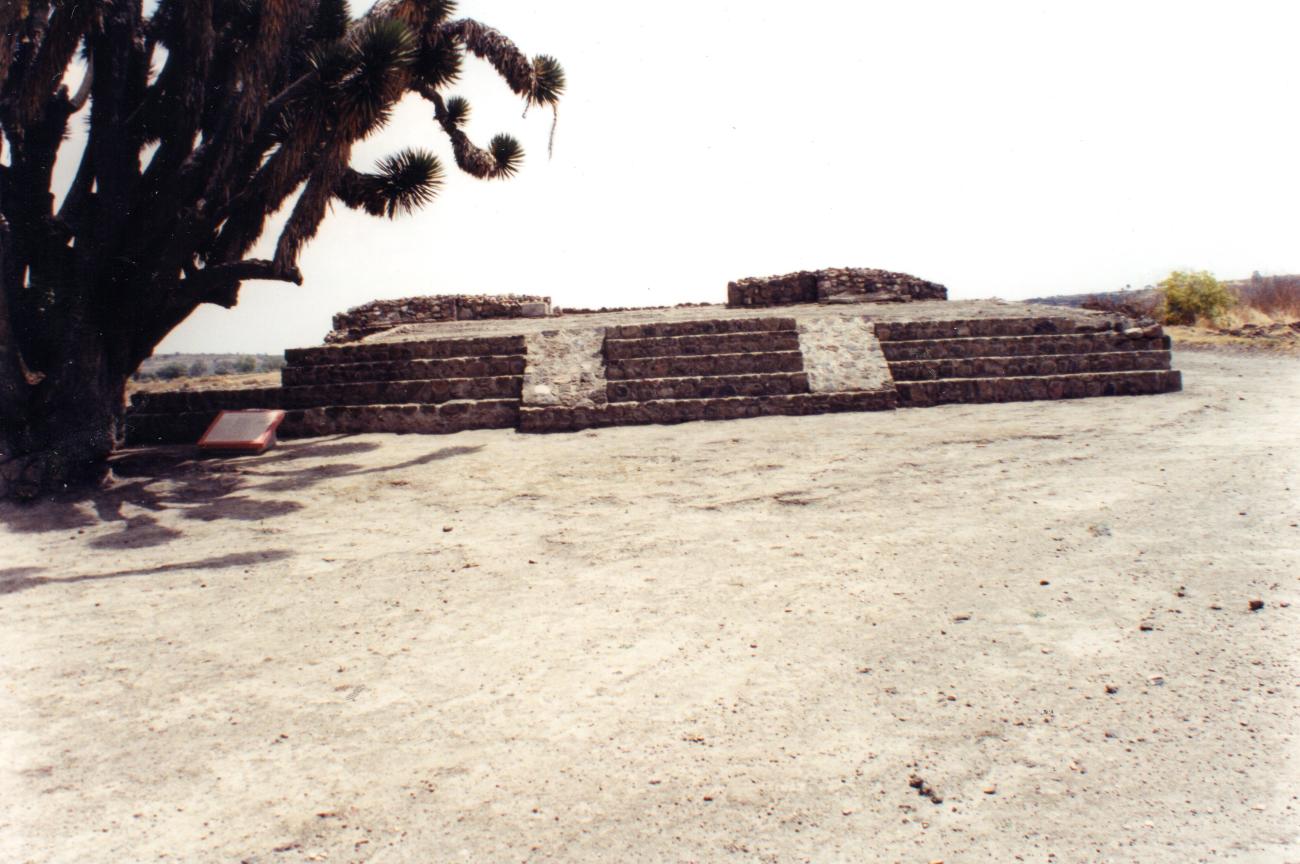
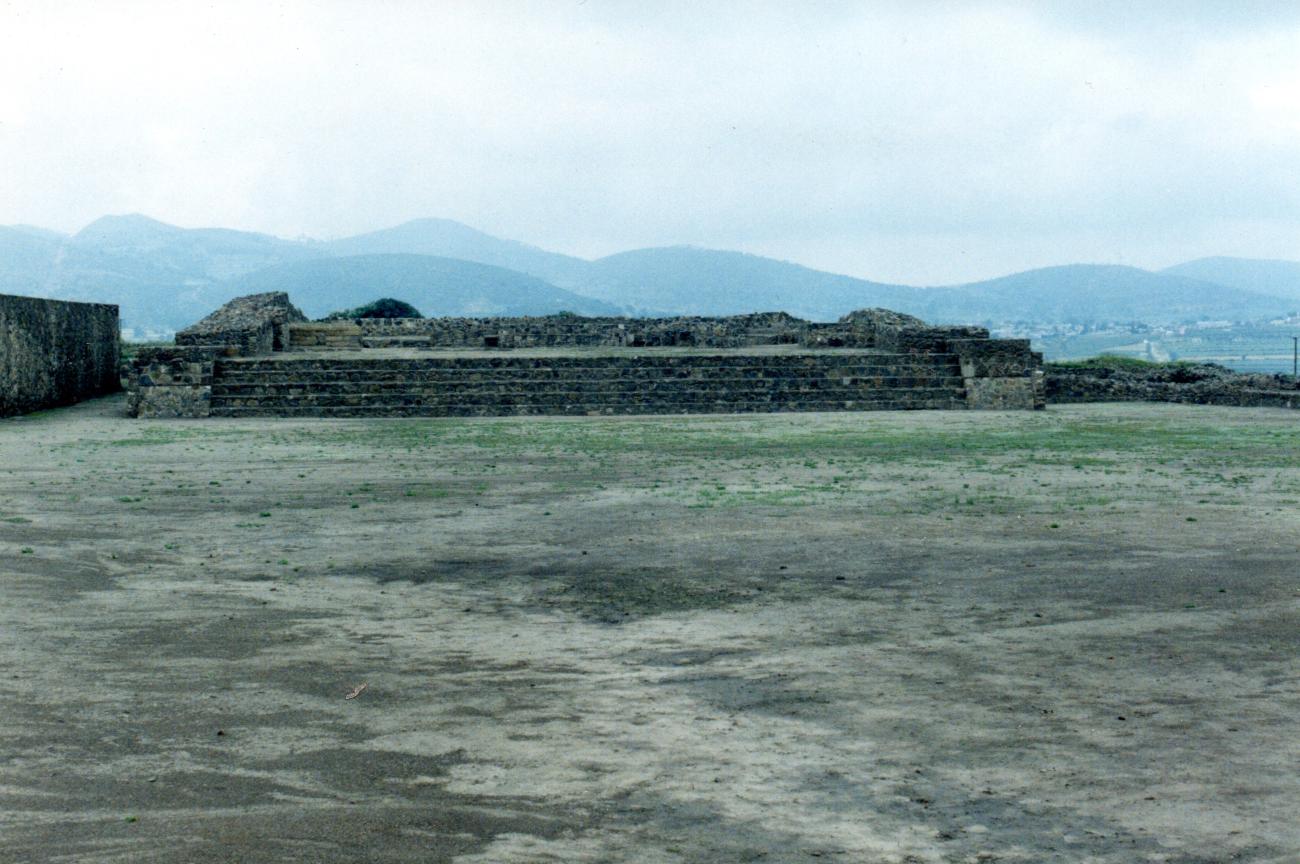
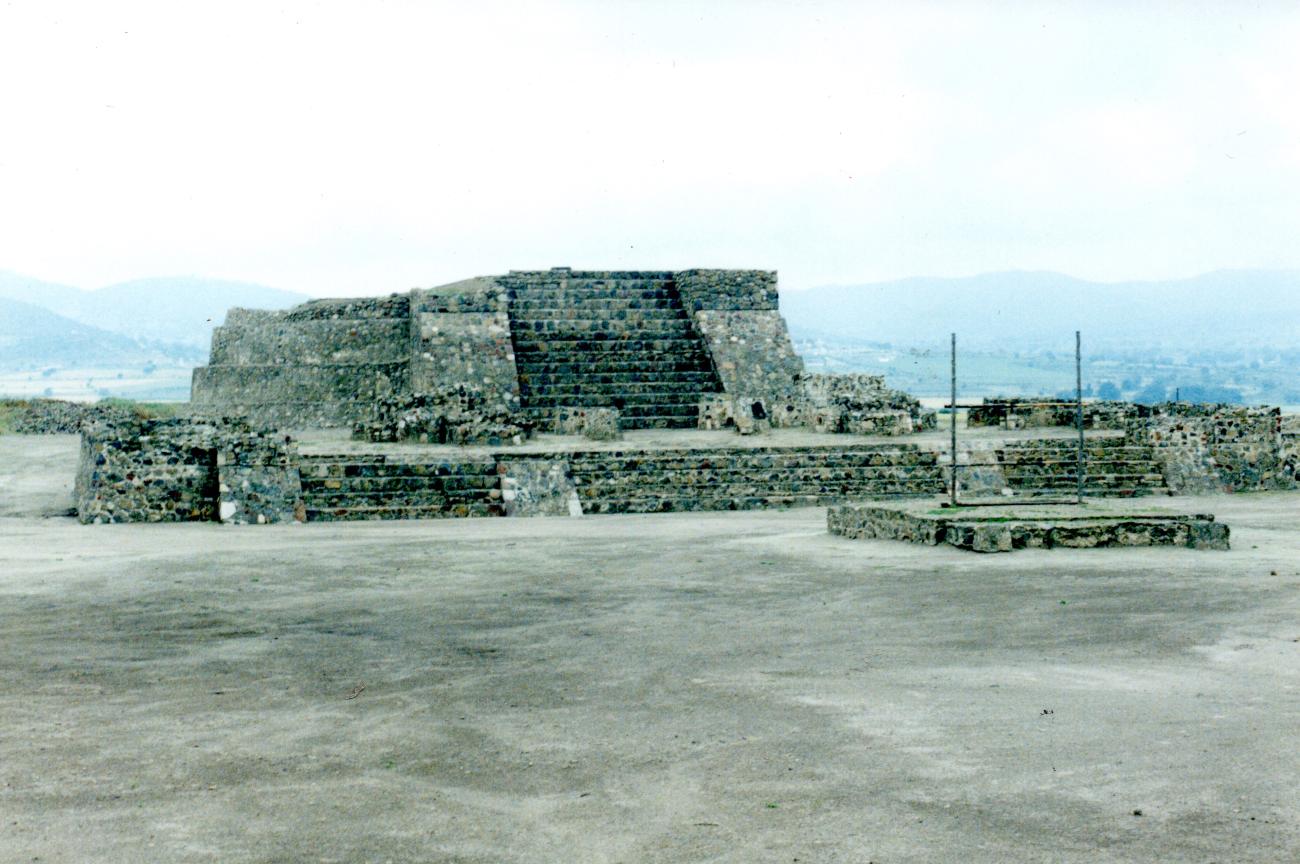
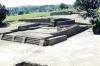
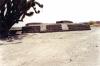
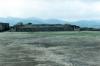
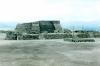
Its main monument is the circular temple built in honor of Ehécatl-Quetzalcóatl, although other gods were also worshipped, such as Tláloc (of rain), Mictlantecuhtli (of death) and Mayahuel (of the maguey).
Temple of Ehécatl Quetzalcóatl, god of the wind
Building dedicated to Mictlantecuhtli, god of death
Temple of Tezcatlipoca
Temple of Tlaloc, god of rain
Hall of the Nobles or Teocipalpan


Contact
- Dirección del Centro INAHJosé Vicente De La Rosa Herrerajose_delarosa@inah.gob.mx+52 (246) 462 9375Administración del Centro INAHOmar González Ramírezomar_ramirez@inah.gob.mx+52 (246) 462 9375, ext. 37802